

A 4 days 3 nights Nile cruise is the “sweet spot” for travelers who want the classic Aswan-to-Luxor route without feeling rushed. You get the same headline temples you see in longer cruises, but with a pace that still leaves room for the best part of cruising: slow sailing, sunsets, and waking up to river views instead of hotel walls. Most standard itineraries in this duration combine Aswan highlights (High Dam + Philae), then sailing north with stops at Kom Ombo and Edfu, finishing in Luxor with the East and West Bank must-sees.
This Nile Cruise Standard Package 4 Days 3 Nights by Egypt Tours Company is designed for global English-speaking travelers who want a clear plan, transparent inclusions, and a practical level of comfort. “Standard” means you focus on the essentials that make the trip work: a clean cabin, full-board meals, guided sightseeing, and simple transfers—so you can enjoy Egypt rather than manage logistics.
Highlights you can expect on a standard 4D/3N route
Philae Temple: island setting, reached by boat, one of the most photogenic temple approaches in Upper Egypt
Kom Ombo Temple: unique double-temple layout with strong riverside atmosphere
Edfu Temple: one of the best-preserved ancient temples in Egypt
Esna Lock crossing: a memorable “Nile life” moment as ships pass the lock on the way to Luxor.
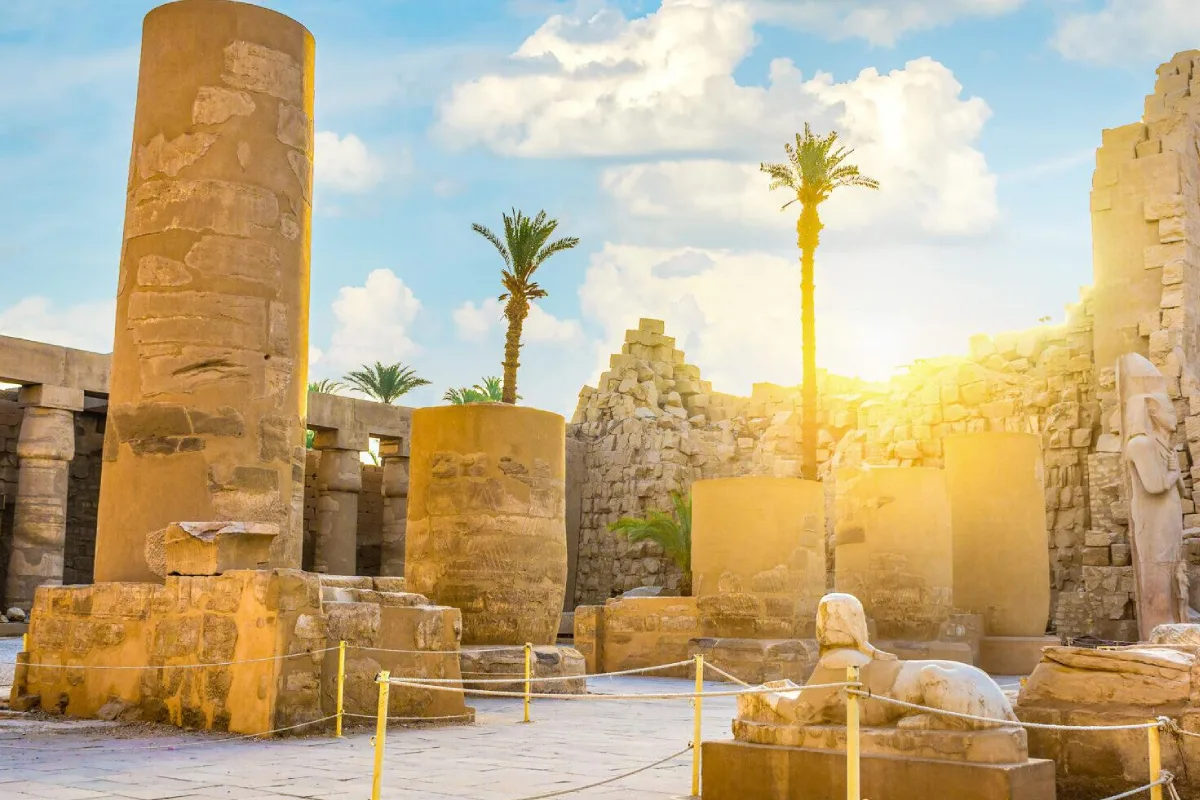
Luxor East Bank: Karnak Temple + Luxor Temple for the big-scale monuments
Luxor West Bank: Valley of the Kings + Hatshepsut Temple + Colossi of Memnon.
What “standard” usually means (pricing clarity without surprises)
A standard Nile cruise package typically bundles cabin accommodation and meals, plus guided sightseeing on the main route. Entrance fees, drinks, and tips are often separated so you can control your spend depending on what matters to you (and because site-ticket policies can vary by provider and season).
What affects the final price
Travel season (winter peak vs summer)
Cruise rating and cabin deck level (higher decks often cost more)
What’s included (entrance fees bundled or not, private vs group guide)
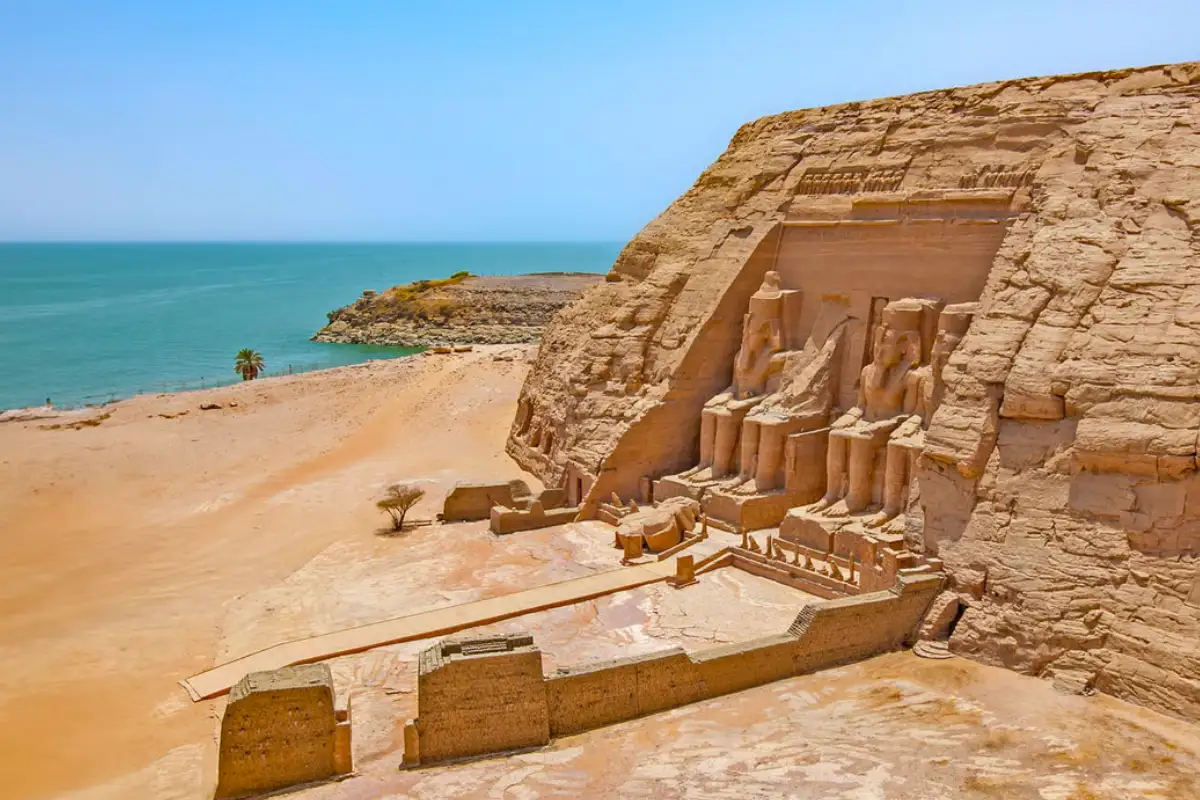
Optional add-ons (Abu Simbel, hot air balloon in Luxor, extra nights in Cairo)
What to pack (simple, practical list)
Passport + printed/phone copies of confirmations
Light breathable outfits for daytime; a light layer for evenings in winter
Comfortable walking shoes (stone floors, steps, uneven paths)
Sun protection: hat, sunglasses, sunscreen
Small day bag for tours (water, tissues, hand sanitizer)
Power bank + charging cable (long touring days)
Cash in small bills (tips, small markets)
Personal medication basics (especially if you’re sensitive to motion/heat)
Best time to travel (comfort-first guidance)
For most travelers, October to April is the easiest window: warm, bright days that still feel comfortable at temples. Summer travel is still doable, but the heat in Upper Egypt can be intense—so the winning strategy is early starts, shade breaks, and steady hydration.